
Eiffel Tower: 10 Fascinating Facts About Paris’s Most Famous Landmark
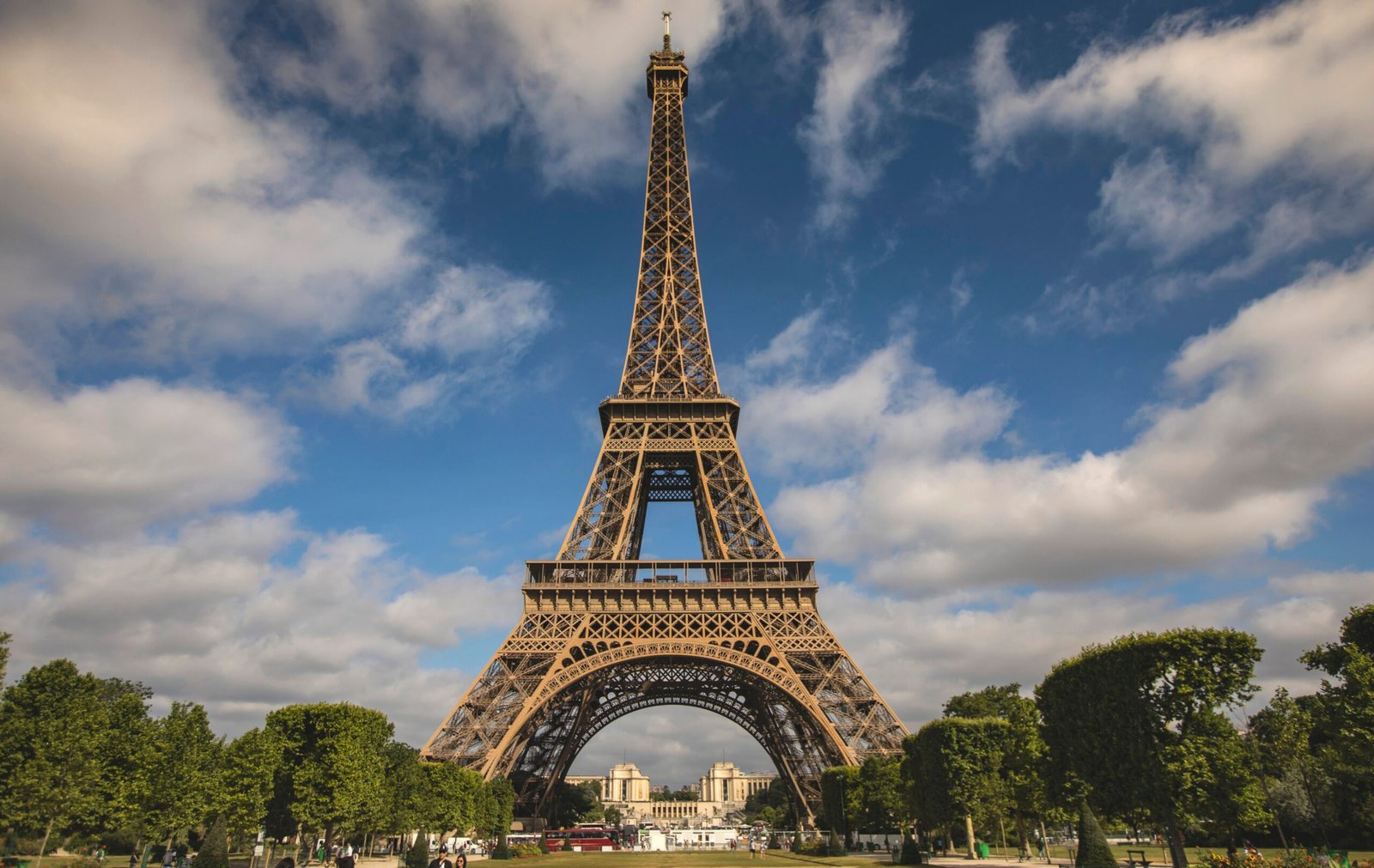
The Eiffel Tower is one of the most recognizable landmarks in the world. Standing in the heart of Paris, France, this enormous iron structure has become a global symbol of the city and one of the most photographed monuments on Earth.
But the Eiffel Tower has a fascinating history that goes far beyond its famous appearance. From its controversial beginnings to its role in radio communications, the tower has played an important part in French history and engineering.
Here are 10 fascinating facts about the Eiffel Tower that reveal why this iconic landmark continues to attract millions of visitors from around the world.
1. The Eiffel Tower Was Built for the 1889 World’s Fair
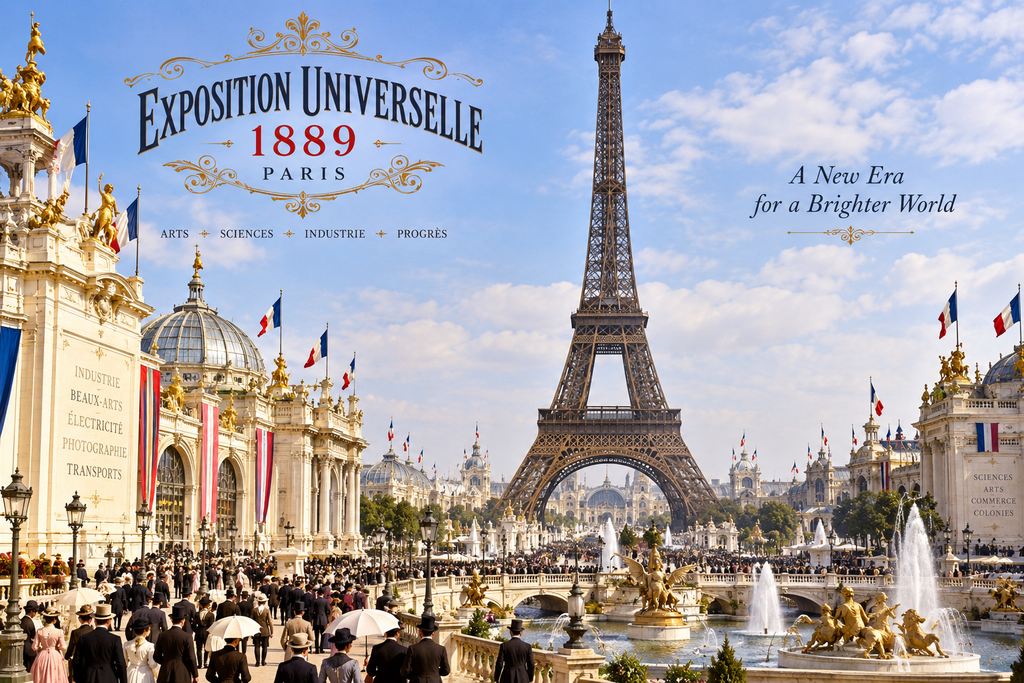
The Eiffel Tower was constructed as the centerpiece of the 1889 Exposition Universelle (World’s Fair) in Paris.
The event celebrated the 100th anniversary of the beginning of the French Revolution. France wanted to demonstrate its industrial and engineering achievements to the world, and the tower became one of the most ambitious projects of the exhibition.
The structure was completed in time for the opening of the fair in 1889.
Taj Mahal: 10 Fascinating Facts About India’s Most Famous Monument
2. Gustave Eiffel’s Company Built the Tower
The tower is named after Gustave Eiffel, the French engineer and businessman whose company was responsible for its construction.
However, Eiffel did not design every detail himself. Engineers Maurice Koechlin and Émile Nouguier developed the original structural concept, while architect Stephen Sauvestre contributed important design elements.
Gustave Eiffel supported the project and played a major role in bringing it to life.
3. It Was Once the World’s Tallest Man-Made Structure
When the Eiffel Tower was completed in 1889, it stood approximately 300 metres (984 feet) tall.
It became the tallest man-made structure in the world, surpassing the Washington Monument in the United States.
The Eiffel Tower held that title for more than 42 years, until the Chrysler Building in New York surpassed it in 1930.
Today, the tower is taller than it was originally because of its antennas.
4. The Tower Was Almost Temporary
The Eiffel Tower was not originally intended to stand permanently.
The agreement for the tower gave it a limited lifespan, and it was expected to be dismantled after about 20 years.
However, its usefulness for radio and telecommunications helped save it.
The tower eventually became an important communications structure, giving authorities a strong reason to preserve it.
5. More Than 18,000 Iron Pieces Were Used
The Eiffel Tower is made from thousands of individual pieces of puddled iron.
Its construction involved approximately 18,000 metallic parts, connected by millions of rivets.
The pieces were carefully manufactured and assembled according to detailed engineering plans. The precision required for such a huge structure was remarkable for the late 19th century.
Golden Temple: 10 Fascinating Facts About India’s Holiest Sikh Shrine
6. The Tower Moves in the Wind
Although the Eiffel Tower looks extremely rigid, it is designed to move slightly.
Strong winds can cause the tower to sway, while temperature changes can make the metal expand and contract.
The movement is small and is part of the tower’s engineering design. Its shape and structure allow it to respond to environmental forces rather than resisting them completely.
7. Temperature Can Change Its Height
The Eiffel Tower can become slightly taller during hot weather.
This happens because iron expands when heated and contracts when cooled.
The difference is relatively small, but it demonstrates an important principle of physics and engineering. On particularly hot days, the tower’s height can change by several centimetres.
8. It Played an Important Role in Radio Communications
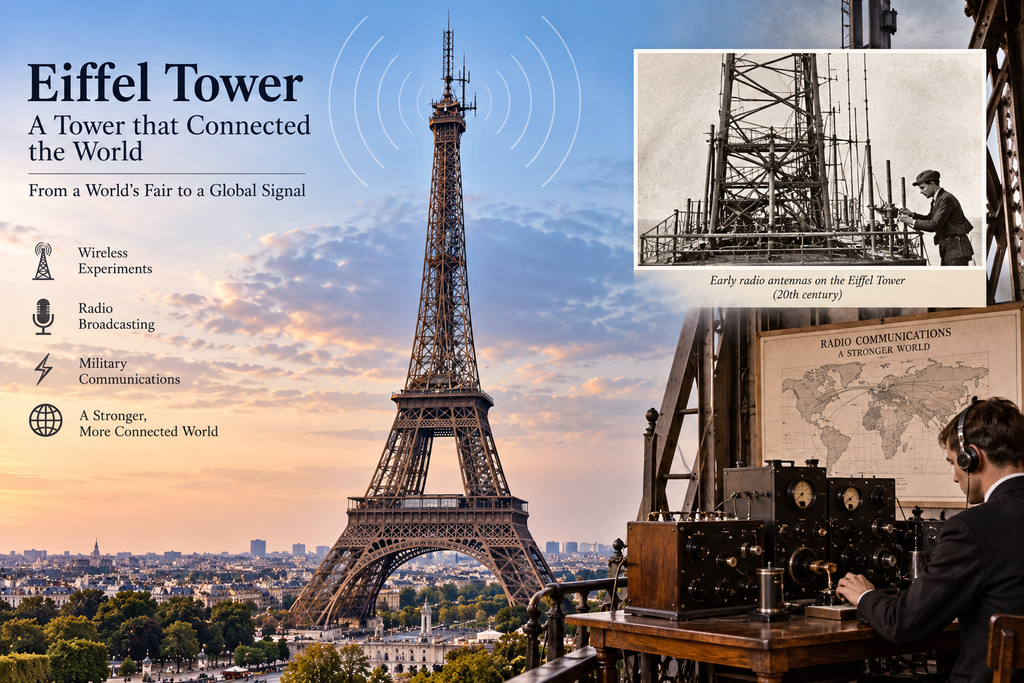
The Eiffel Tower’s height eventually made it extremely useful for wireless communications.
During the early 20th century, radio experiments conducted from the tower demonstrated its value as a communications site.
During World War I, radio transmissions from the Eiffel Tower were also used by the French military.
Its role in communications helped ensure that the tower remained standing after its original temporary purpose had passed.
9. Millions of People Visit It Every Year
The Eiffel Tower has become one of the world’s most popular paid landmarks.
Visitors can explore different levels of the tower and enjoy views across Paris, including famous landmarks and the River Seine.
Over its lifetime, the tower has welcomed hundreds of millions of visitors, making it one of the most visited monuments in the world.
10. The Eiffel Tower Has Become a Global Symbol of Paris
Today, the Eiffel Tower is much more than an engineering achievement.
It has become a symbol of Paris, France and French culture. It appears in films, photographs, advertisements, artwork and countless travel memories.
Its distinctive silhouette is recognized around the world, making it one of the most famous landmarks ever constructed.
Why Is the Eiffel Tower So Famous?
The Eiffel Tower combines engineering, history, architecture and culture in one remarkable structure.
What was initially created for a World’s Fair and expected to have a limited lifespan eventually became one of the world’s most recognizable landmarks.
Its unusual iron design, enormous height and connection with Paris have helped it remain popular for more than a century.
Frequently Asked Questions About the Eiffel Tower
When was the Eiffel Tower built?
The Eiffel Tower was constructed between 1887 and 1889 and opened to the public in 1889.
Who built the Eiffel Tower?
The tower was built by the company of French engineer Gustave Eiffel, based on engineering work by Maurice Koechlin and Émile Nouguier, with architectural contributions from Stephen Sauvestre.
How tall is the Eiffel Tower?
The tower is approximately 330 metres (1,083 feet) tall including its antennas. Its height can vary slightly because of temperature and antenna changes.
Why was the Eiffel Tower built?
It was built as the centerpiece of the 1889 Paris World’s Fair, which commemorated the centenary of the French Revolution.
Was the Eiffel Tower supposed to be permanent?
No. It was originally intended to be a temporary structure, but its usefulness for communications helped ensure its preservation.
Conclusion
The Eiffel Tower began as an ambitious engineering project for a World’s Fair, but it eventually became something much greater: a lasting symbol of Paris and one of the most recognizable structures on Earth.
Its history, engineering and cultural importance make it far more than just a beautiful landmark.
The Eiffel Tower is a reminder that some structures created for a temporary purpose can become timeless icons.